Geometry help:
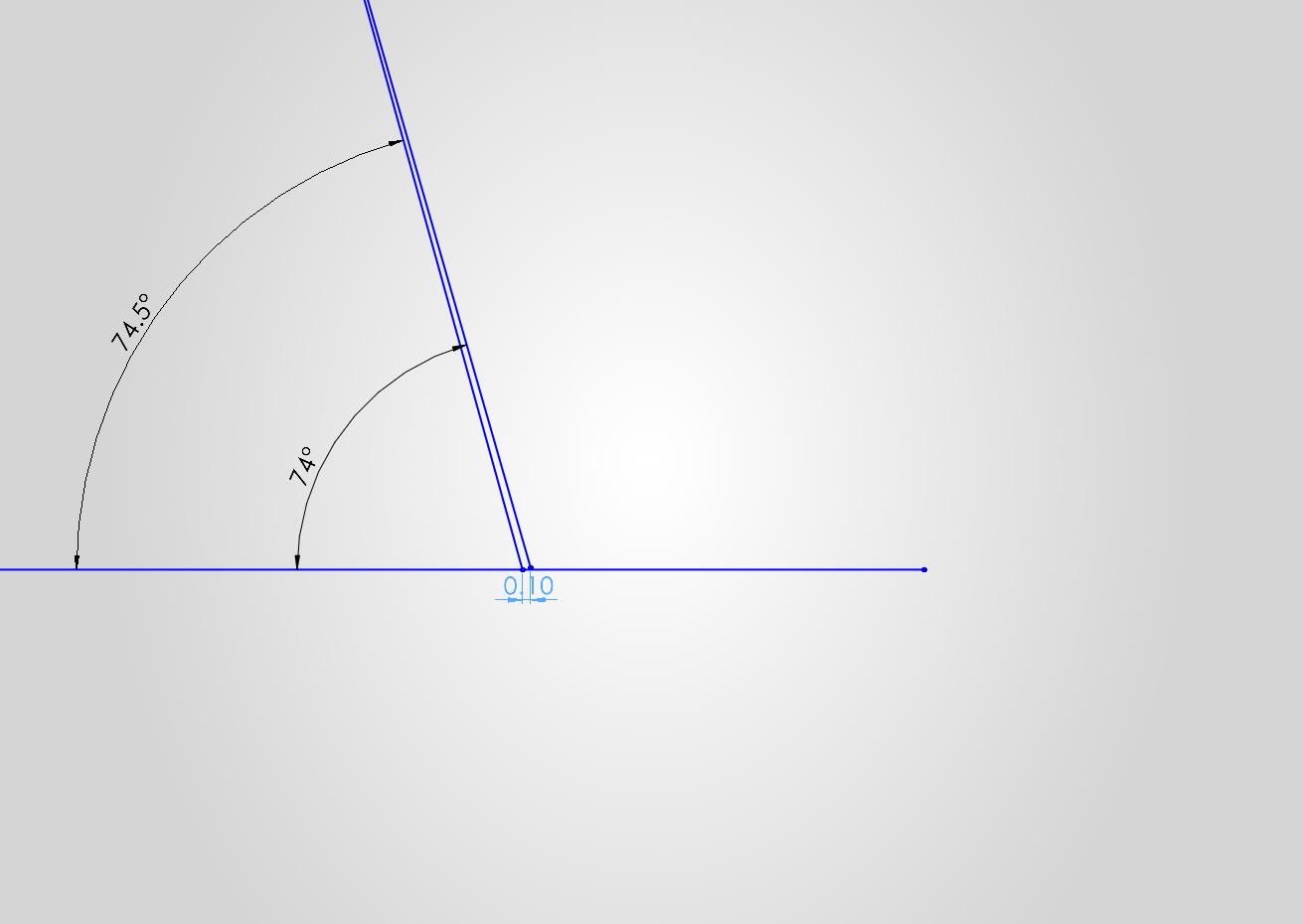
Headtube angle- The base mellow headtube angle is 74 degrees and a steep angle of around 75.5 degrees (though some have been creeping into the 76 range). A mellower angle will have a slower steer, very stable with high speeds. A steeper angle will steer quicker and more responsively, it’ll wake your ass up in a bowl corner, generally used in a street-oriented frame. For every half degree steeper the front wheel moves just under and 1/8” closer to the bottom bracket.
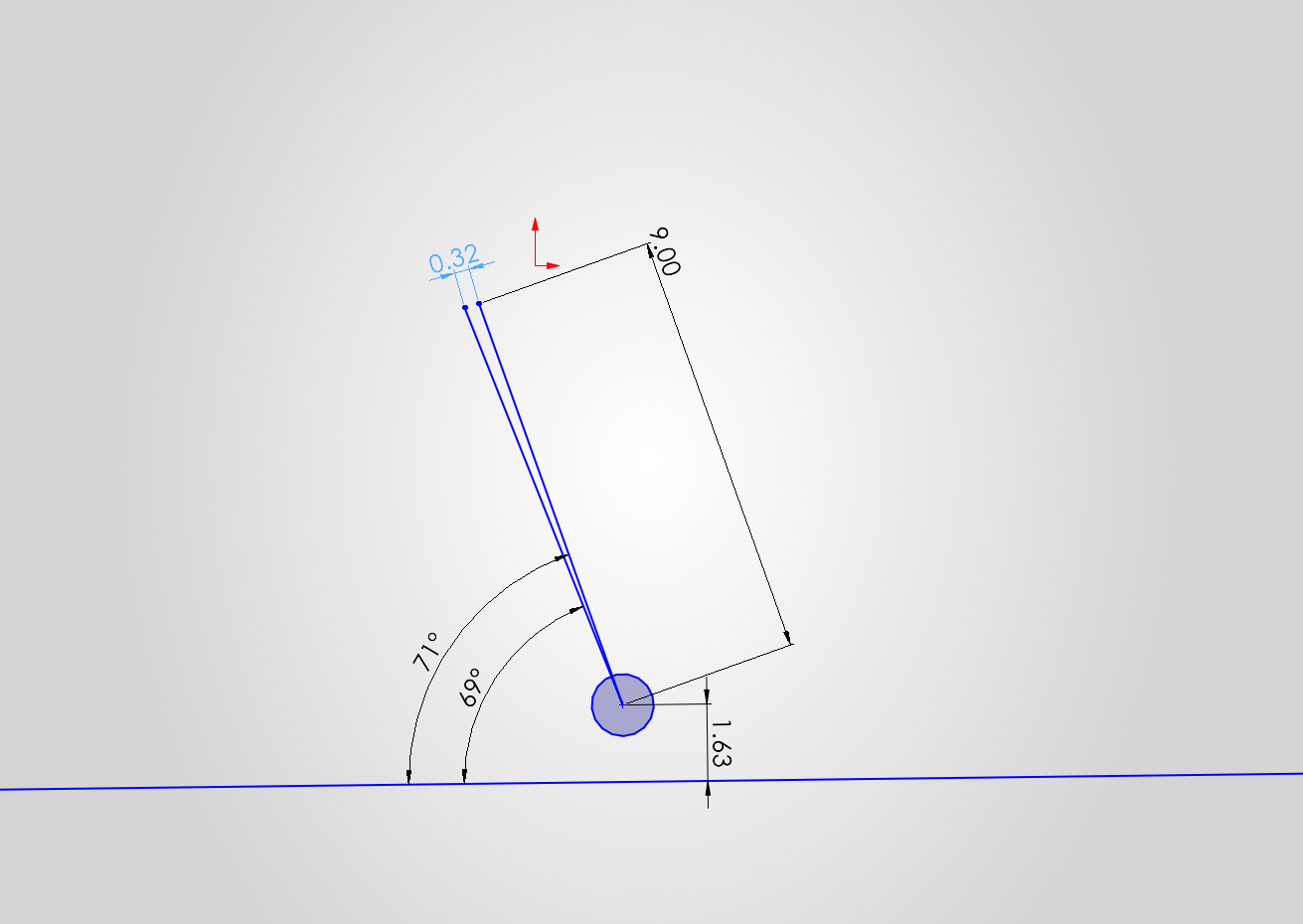
Seattube angle- Generally somewhere between 69 degrees and 71 degrees. You don’t have too much of a feel the actual angle, but it directly effects the toptube length feel. With a mellower angle it will pull the headtube closer to you for the same TT length as a steeper angle. The image below show a 2 degree difference.
Bottom Bracket Height- Usually ranging from 11.5"- 12". With a lower height you'll feel more centered in your bike. Higher will stand you up over your front end. I’ve found this might be one of the most noticeable geometries.
Chainstay length- Fairly self explanatory, shorter is very common in a street frame. It is the snappier and easier it will be to pull up, makes balance points easier to find. Longer will have a higher balance point on a manual, great for staying on one wheel through rollers.
Toptube Length- The most basic of geo the longer the length the more you have in the frontend. Typically a street frame is shorter whereas trails and park frames are a little longer.
Standover Height- This number does not have too much of a feel for the frame. It’s a little more for aesthetics. You’ll notice a little stability in the extremes.